

Journeys in Self-Directed Education
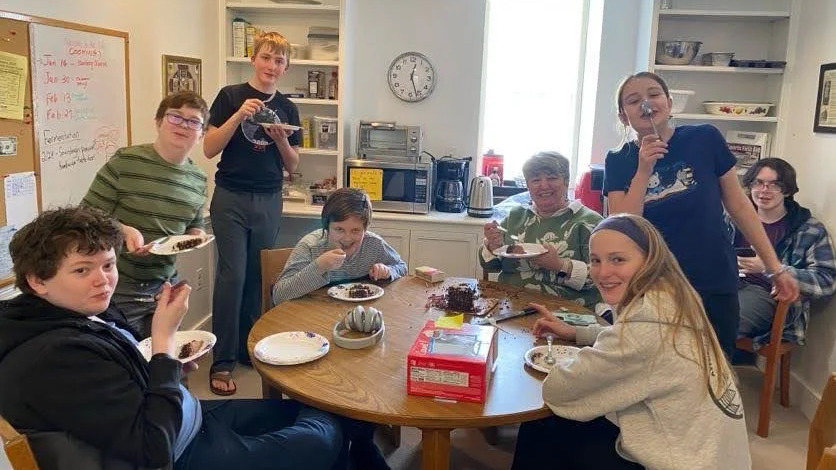
When Kids Don’t Want Summer Break: Why Young People Need Spaces Like Embark
At Embark Center, many young people do not experience learning spaces as something they need to escape. As summer approaches, some members begin grieving the temporary loss of a community where they feel trusted, connected, and free to learn without coercion.
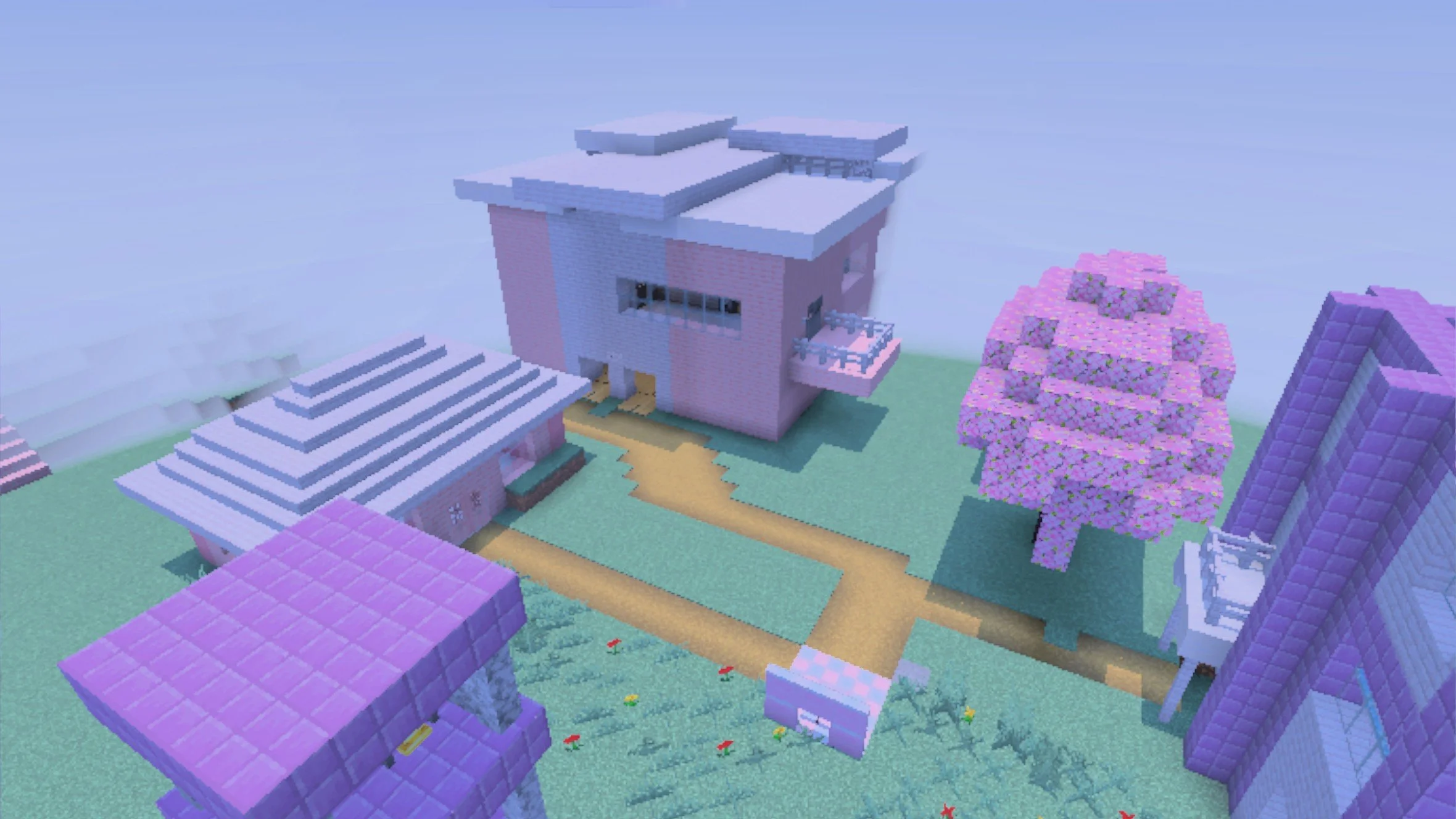
What Adults Miss About “Minecraft Drama”
A Minecraft conflict between students became a powerful reminder that children’s online worlds carry real emotional weight—and that adults sometimes need students to expand our perspective.
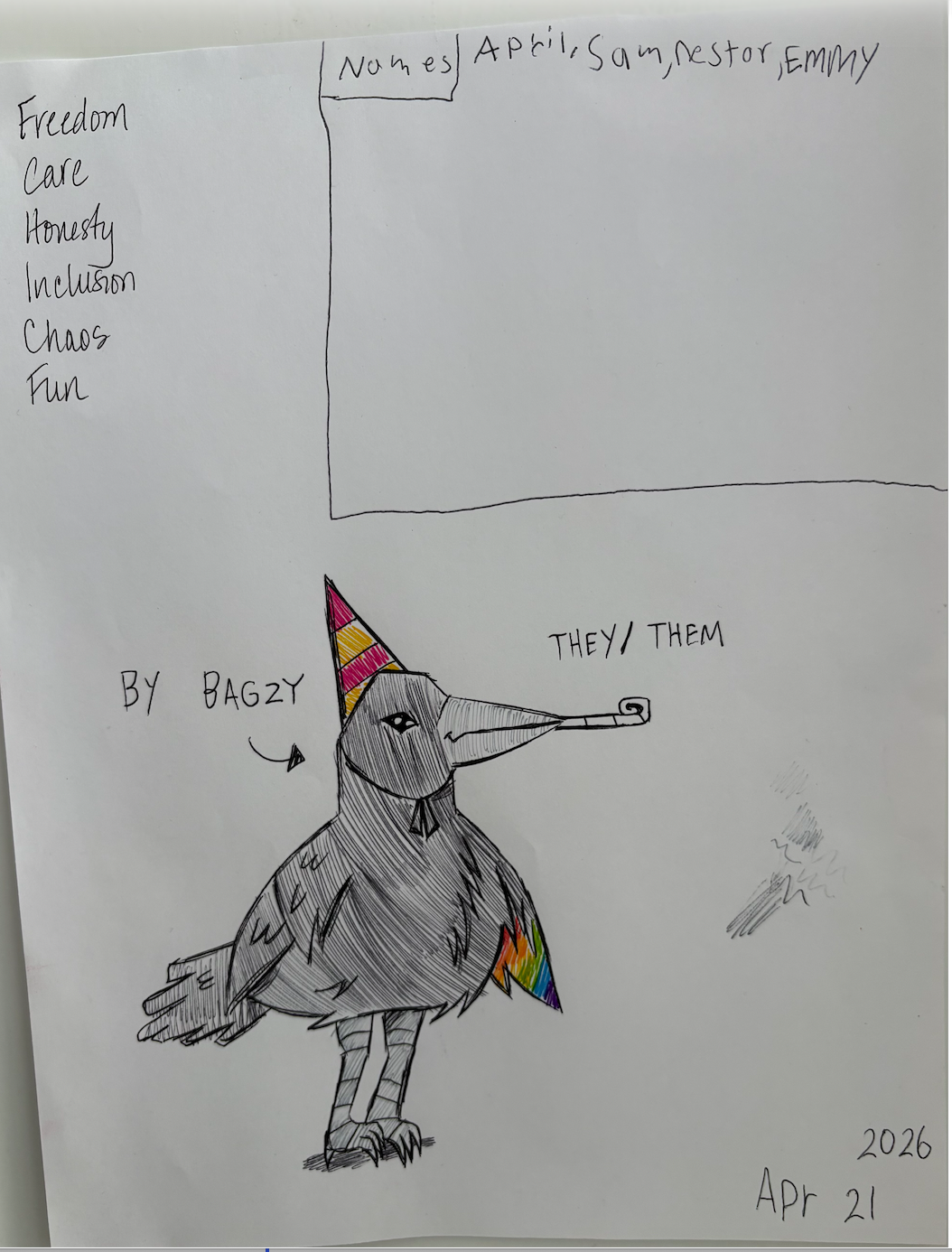
How an Offhand Comment About a Mascot Turned Into Something More
What started as an offhand comment—“we should have a mascot”—evolved into a rich exploration of identity, decision-making, and community. A glimpse into how meaningful learning unfolds at Embark Center.
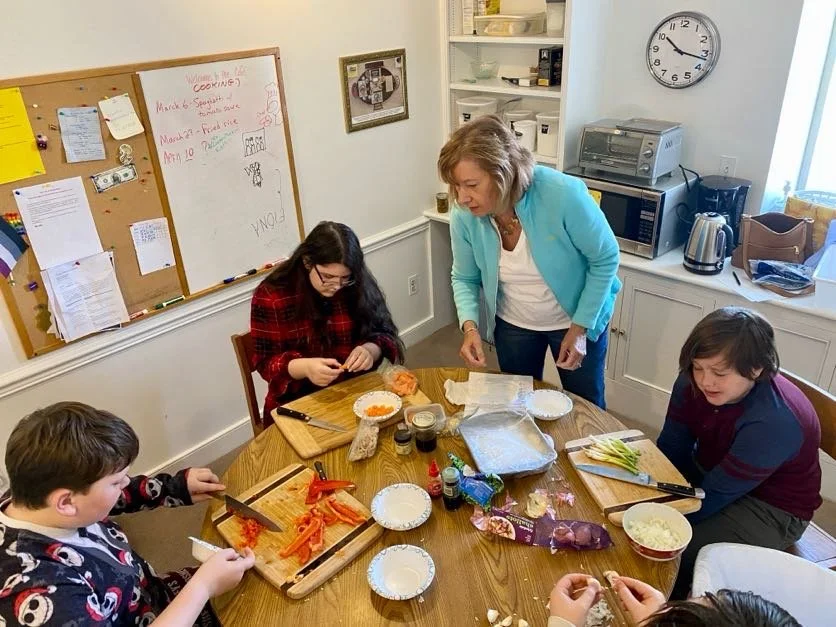
It Takes a Community: The Role of Volunteers at Embark Center
Discover the role of volunteers at Embark Center for Self-Directed Education and how they expand learning through classes, collaboration, and community.
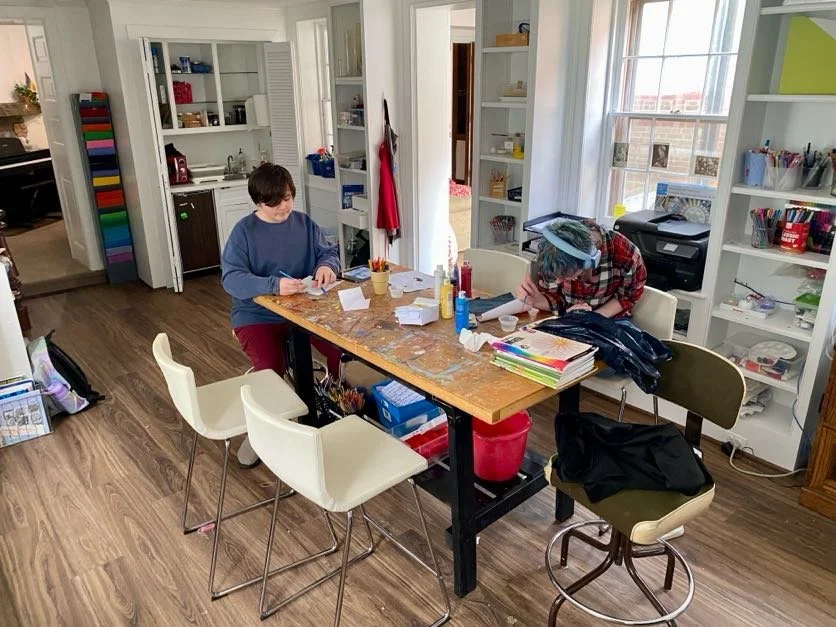
The Passion Myth: Why Following Random Interests Leads to Deeper Learning
Does your child seem to bounce between interests without settling on 'the one'? Many parents worry their kids aren't learning anything when they're not in structured activities. But what if those 'random' interests are actually building valuable skills for future success? This post explores how curiosity-driven learning develops adaptability, persistence, and the ability to learn anything, which is exactly the skills that matter most in our rapidly changing world.
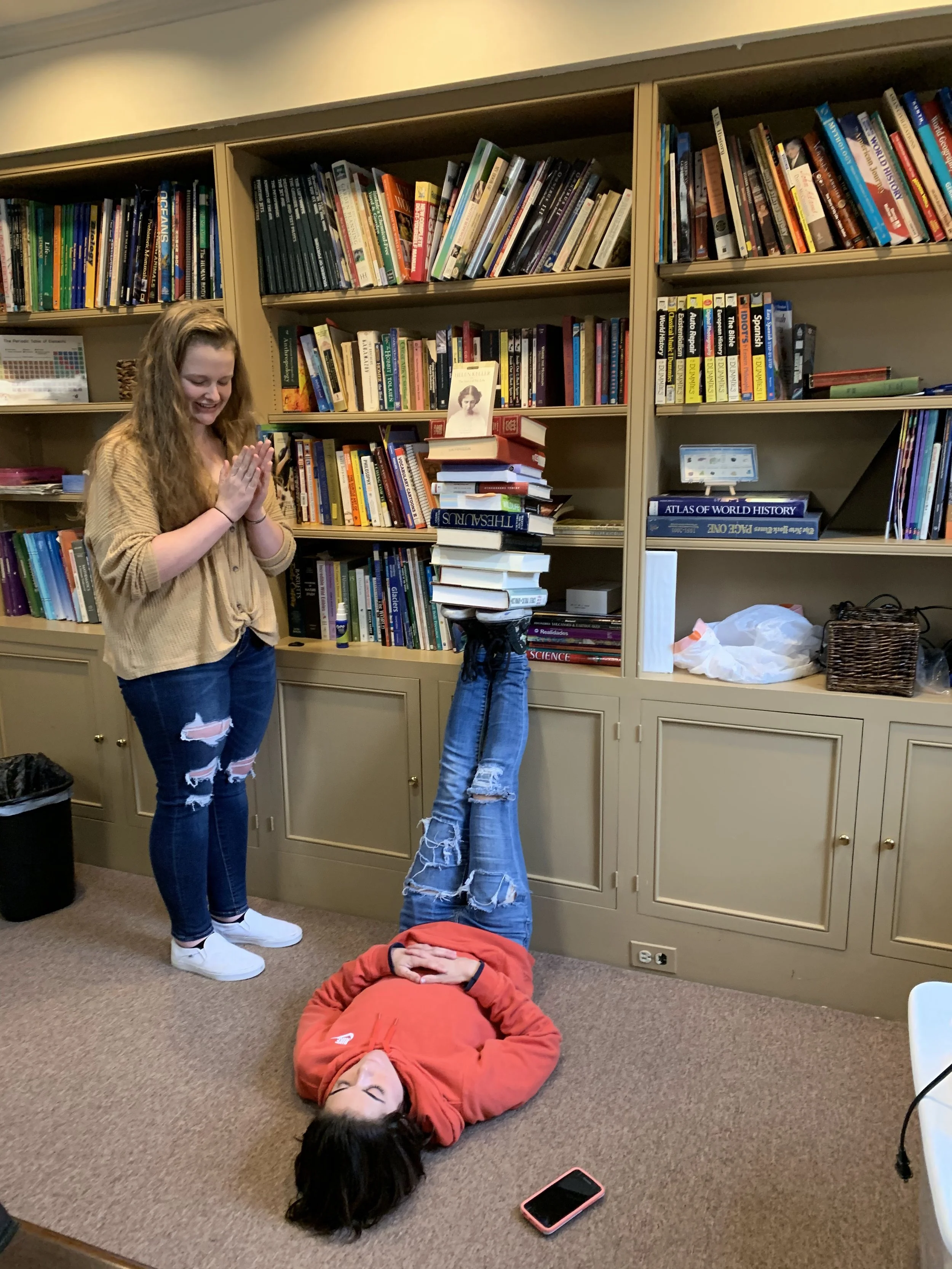
5 Myths vs. Realities of Self-Directed Education
Is self-directed education unstructured or risky? What about math and college readiness? This article breaks down five common myths about self-directed education and the realities behind them.
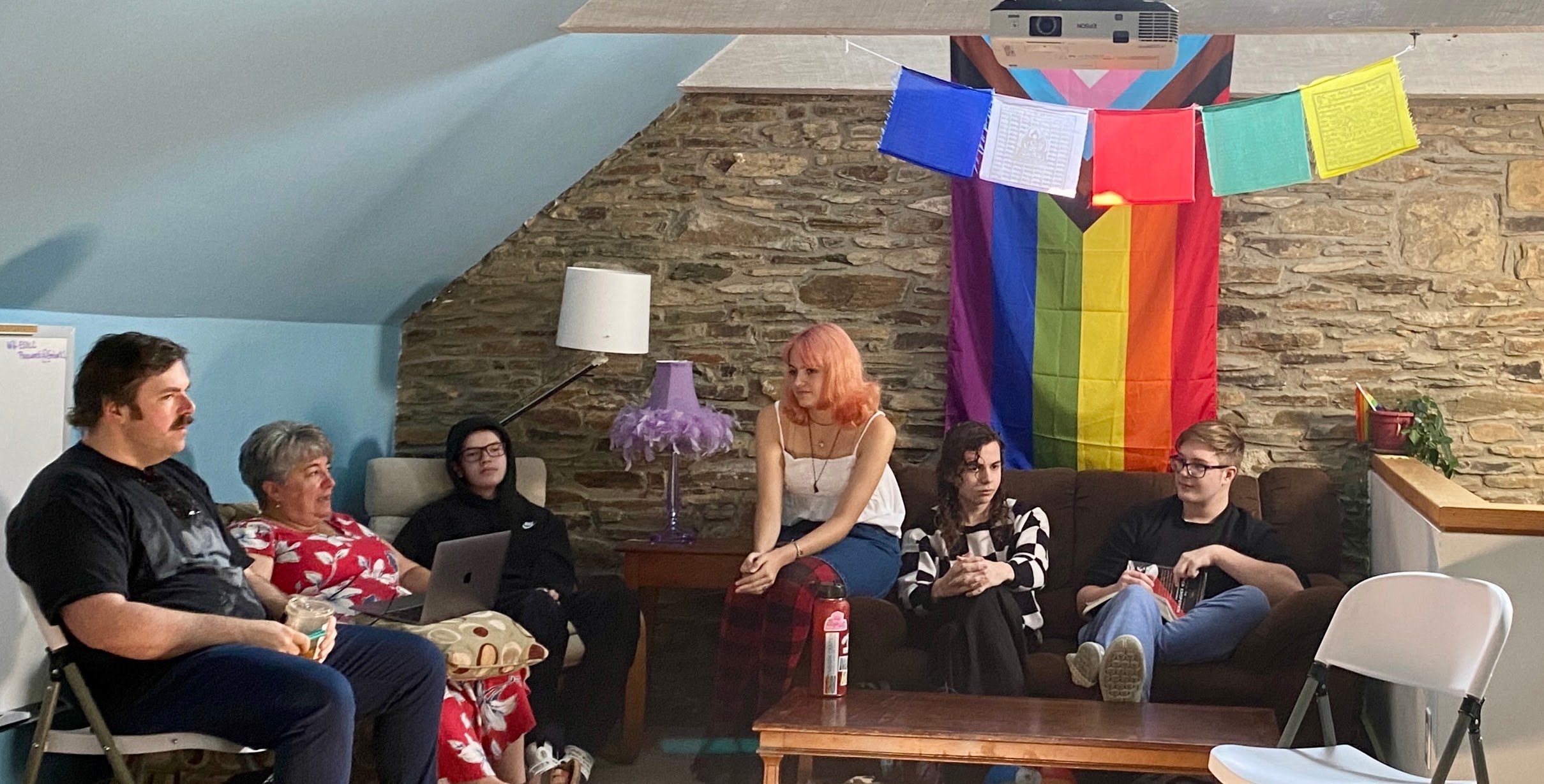
10 Ways Self-Directed Learners Prepare for College, Careers and Adulthood
Discover how self-directed learning at Embark Center prepares students for adulthood, college, and careers through consent-based education and restorative practices. Learn why natural, life-integrated learning builds authentic skills that last far beyond traditional education methods.
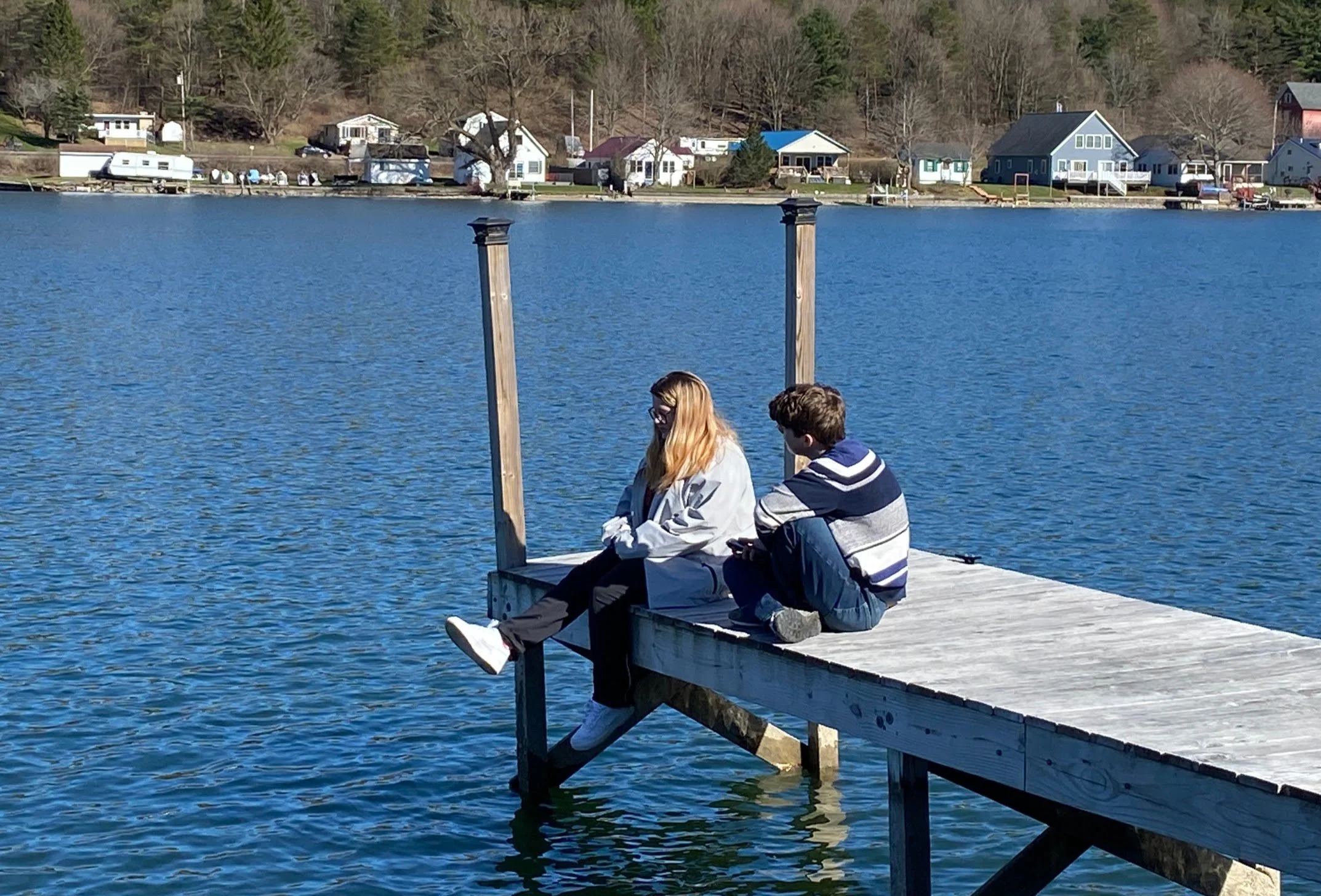
Childhood is Not a Rehearsal
When a child says they’re “doing nothing,” it can trigger anxiety. But what if childhood isn’t a rehearsal for adulthood? What if play, drifting, and quiet moments are part of real life — not a delay from it?
We Can’t Teach Consent While Training Obedience
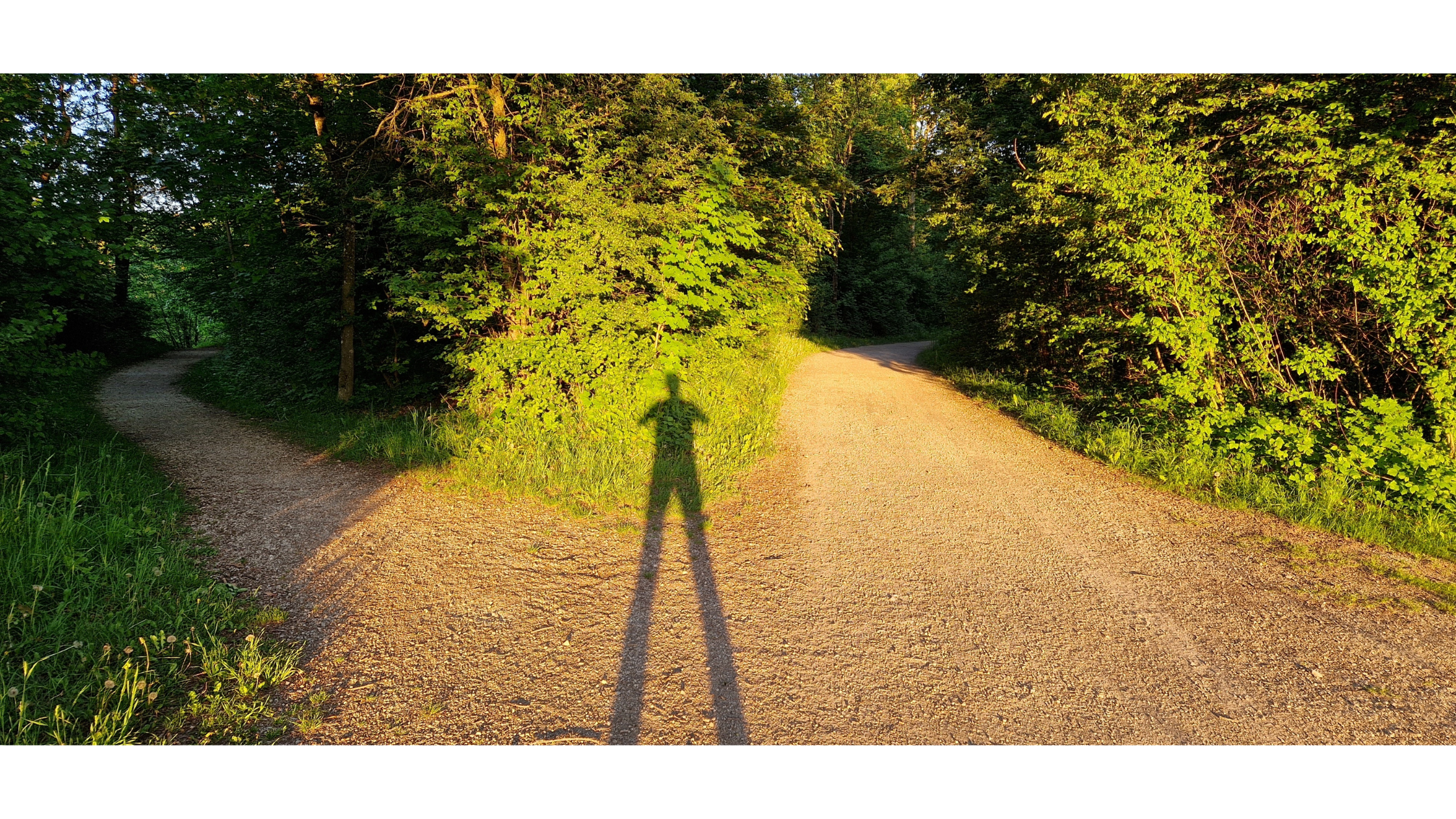
We’re teaching young people about consent while structuring their lives around obedience. If “no” doesn’t feel like a real option in ordinary situations, how will it feel real in high-stakes ones?
Co-regulation vs. Rescue: Building Resilient Kids
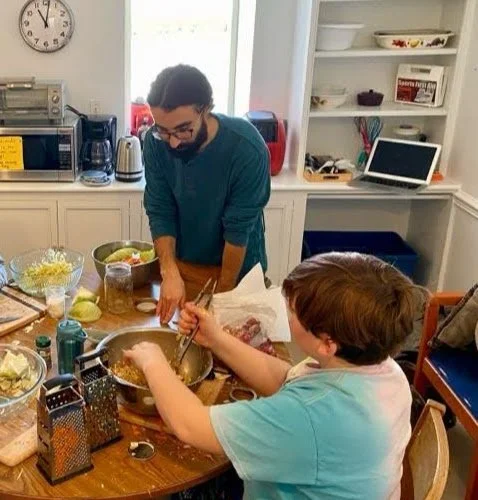
How do we support anxious kids without taking over? The difference between co-regulation and rescue can shape resilience, confidence, and community life.
Who Decides What Counts?
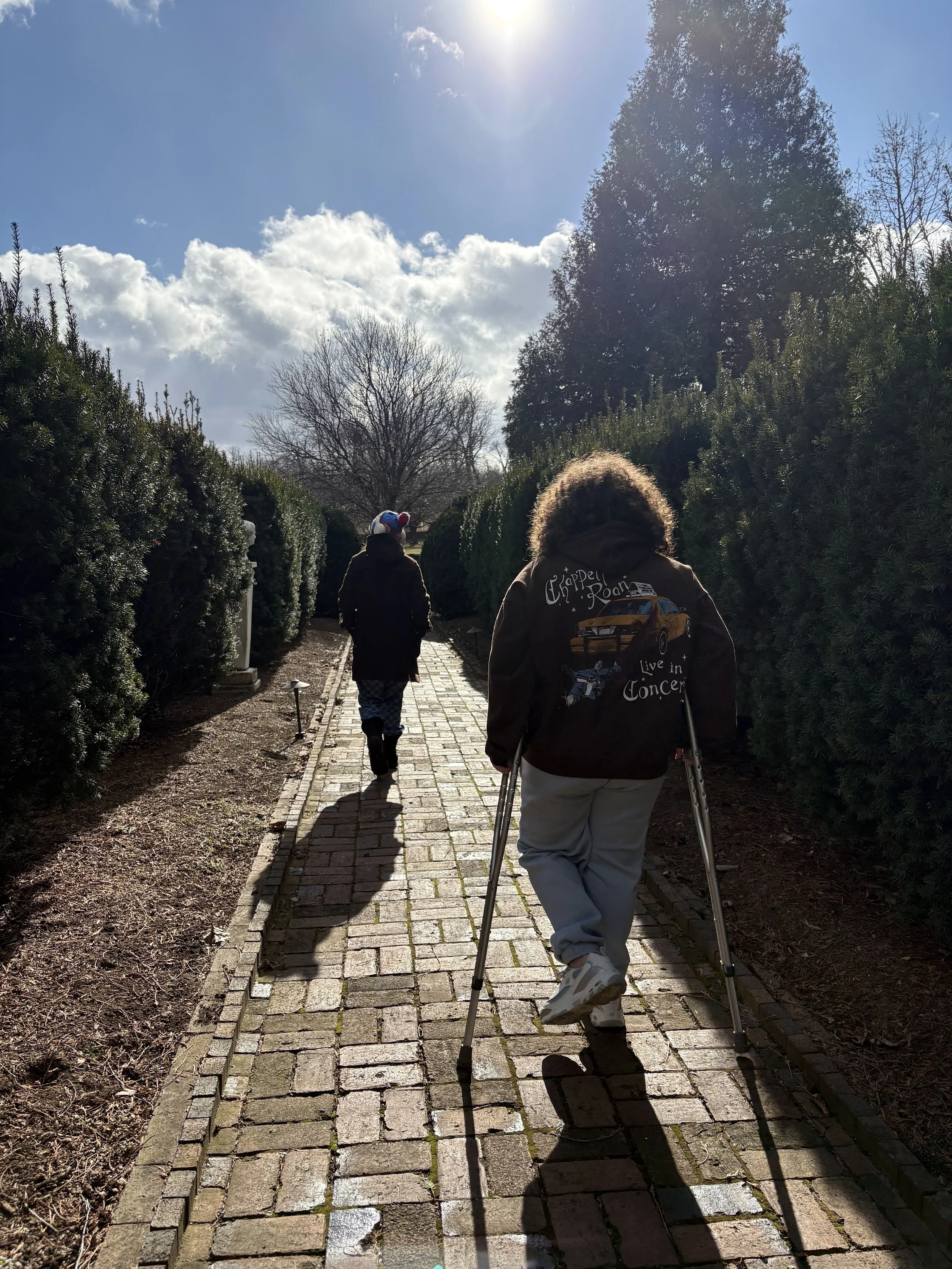
Most parents want their children to grow into competent, capable adults. But what happens when the systems defining success don’t reflect the lives we actually want for them? Sometimes, the cost of keeping the model running becomes visible through our children.
Self-Driven Kids Need More Than Freedom: They Need a Culture That Can Hold It
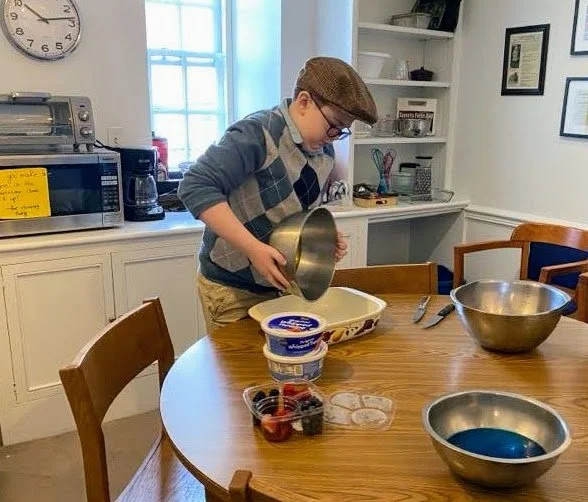
Autonomy isn’t a parenting strategy — it’s a human right. This piece explores why self-driven kids need cultures that protect agency, belonging, and trust, not control.
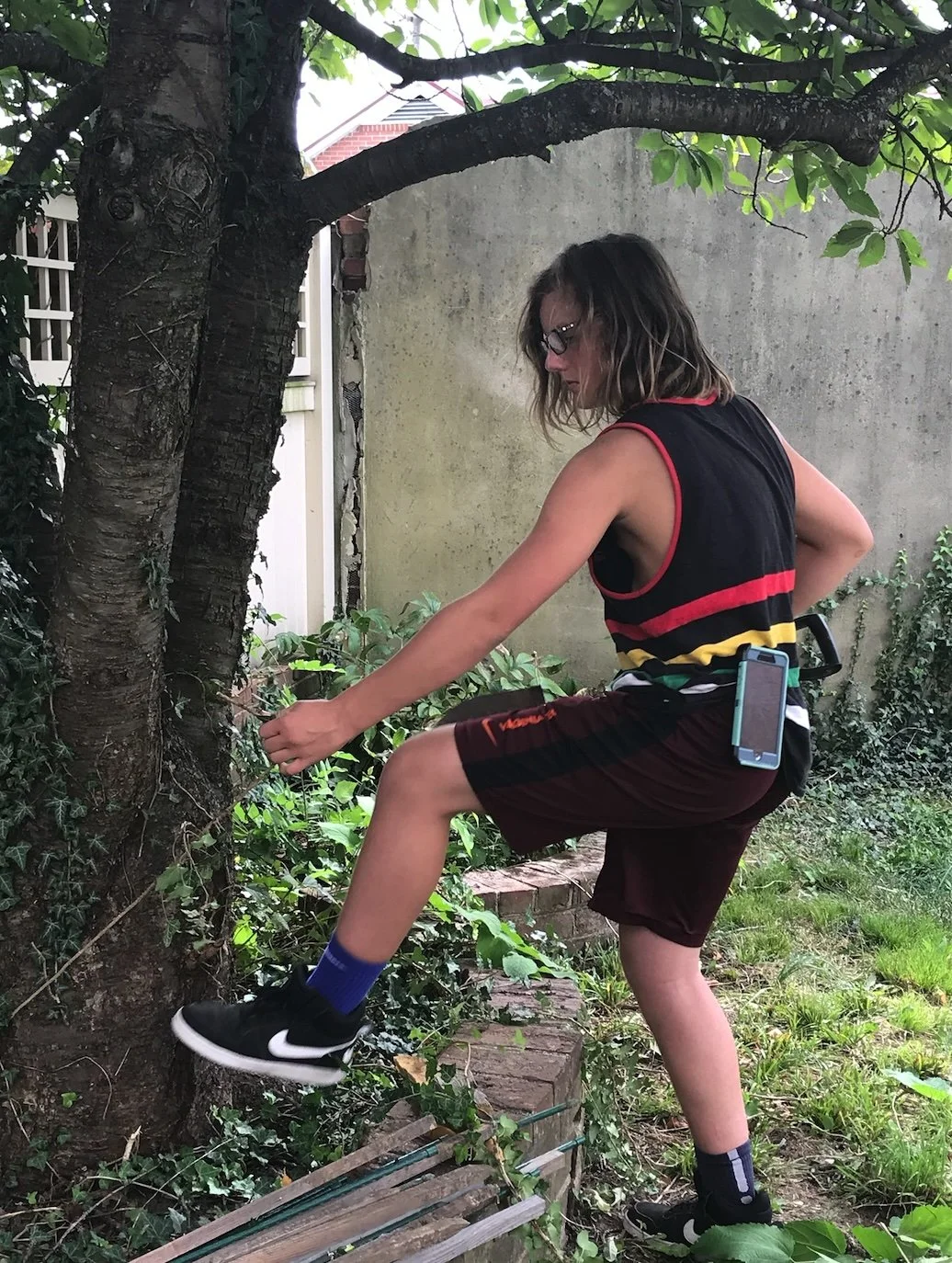
FAFO Parenting: When Autonomy Becomes a Shortcut for Abdication
FAFO parenting promises autonomy through natural consequences—but when does restraint become neglect? A nuanced look at what children and parents actually need.

Learning By Doing: The Power of Self-Directed Education
Many of us learn best by doing—by experimenting, building, and even failing. A board member at Embark reflects on how self-directed learning empowers students to take ownership of their education, discover their passions, and grow into confident, capable learners.
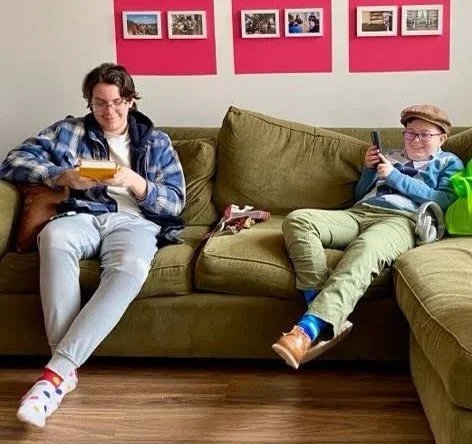
Stop Calling Distress “Resilience”: Rethinking Anxiety in School Settings
Many students aren’t struggling because they “can’t handle stress.” They’re struggling because schools confuse healthy challenge with harmful distress. When we recognize that some school-related anxiety is protective rather than pathological, we can create environments where young people truly thrive.
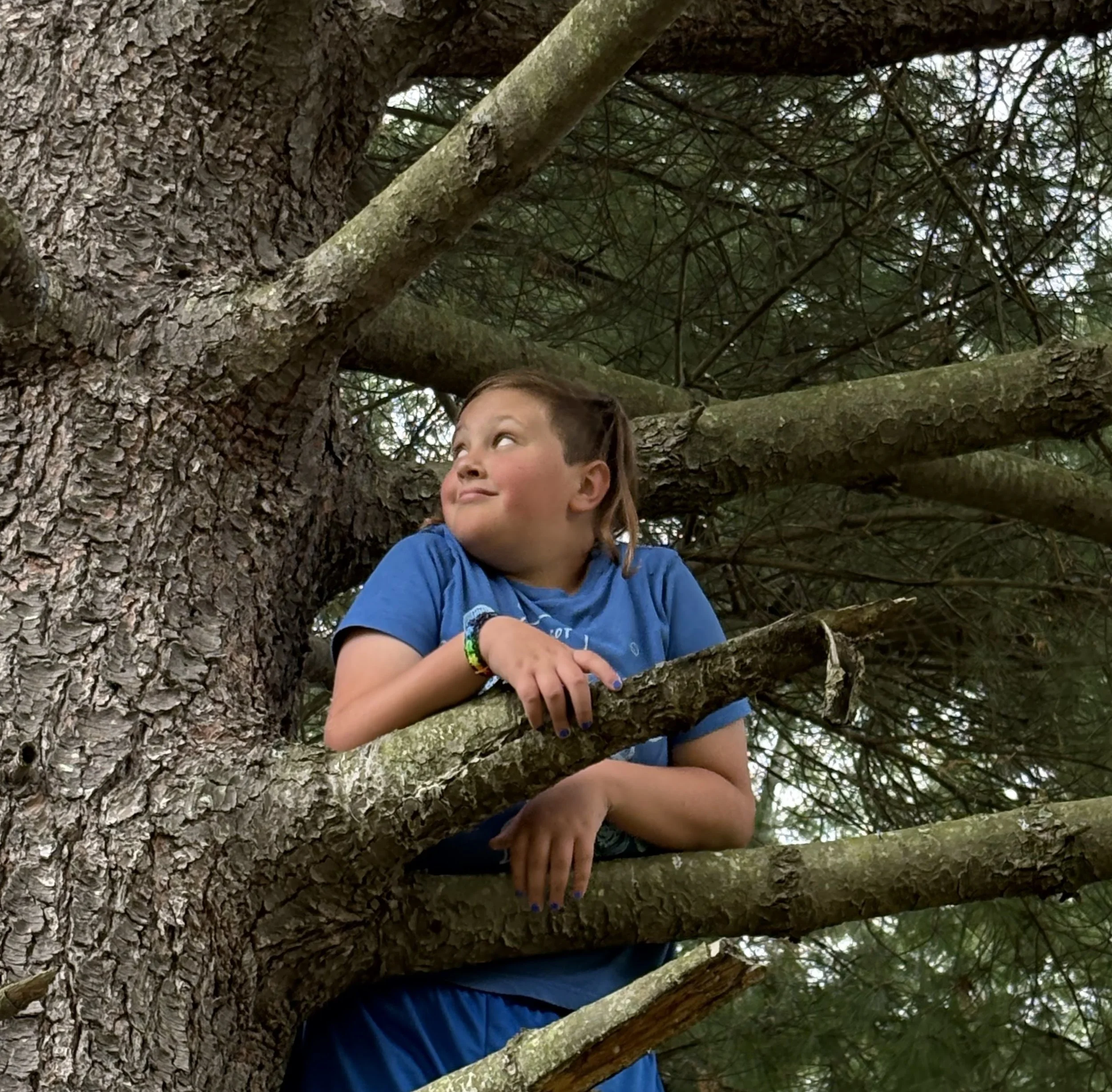
Why Self-Directed Education Is So Valuable for Neurodivergent Kids (Including Those With a PDA Profile)
Self-Directed Education provides the autonomy, flexibility, and consent-based relationships neurodivergent kids—especially those with a PDA profile—need to feel safe enough to learn. What these kids require for survival is what all humans need for well-being. When we reduce pressure and increase partnership, curiosity and resilience emerge naturally.
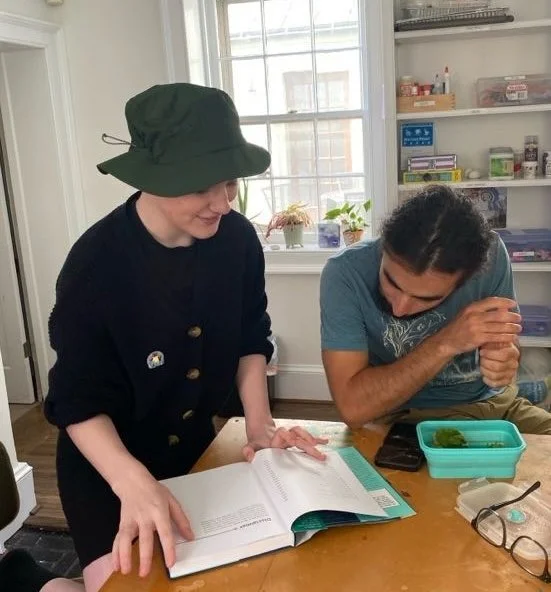
The Adults Young People Need: What True Mentoring Looks Like
A fresh look at how adults can support young people without controlling them—modeling curiosity, vulnerability, and genuine partnership so kids can build confidence, autonomy, and emotional resilience.
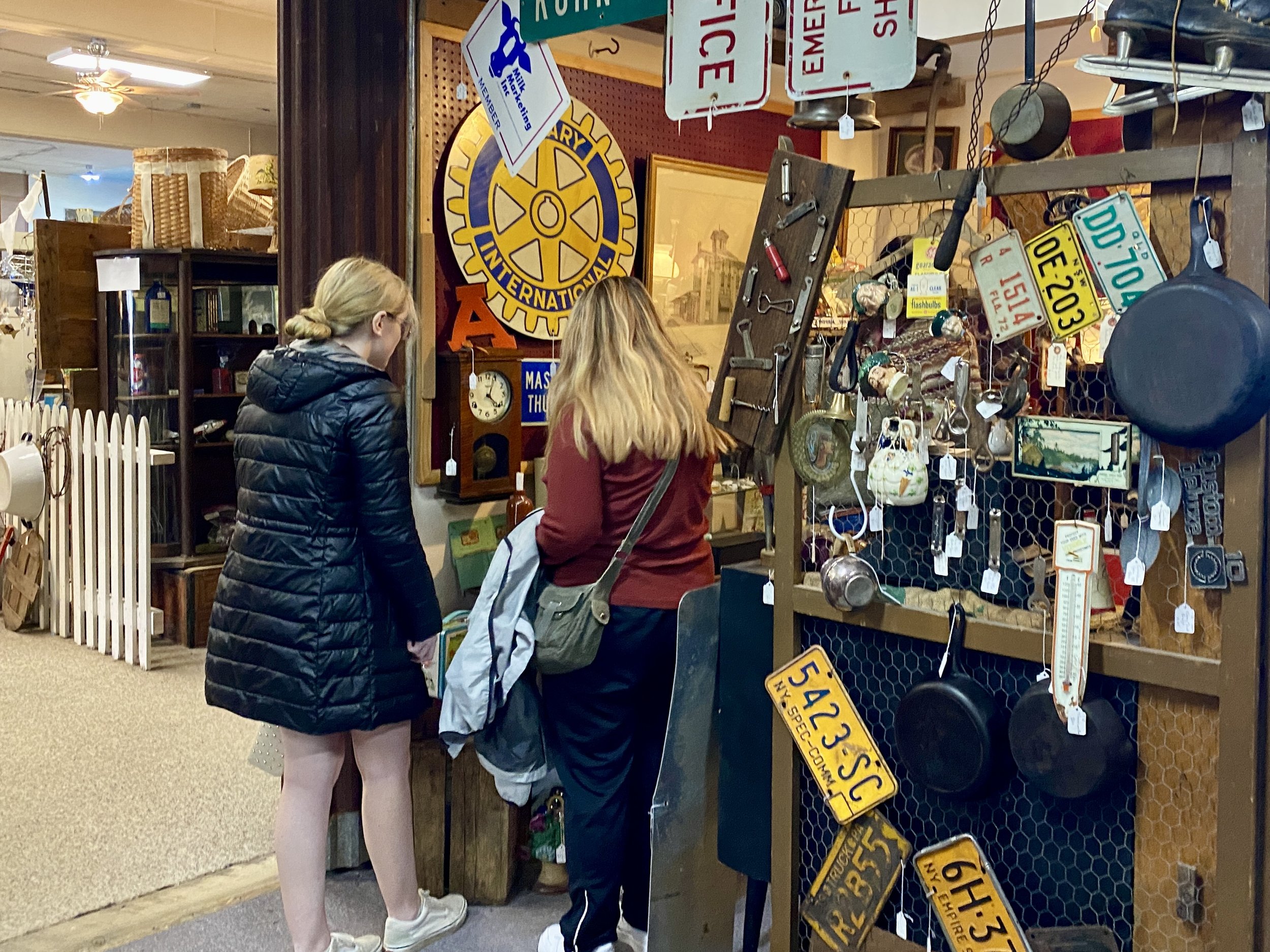
Rethinking Math: Why Kids Learn What They Need, When They Need It
A look at how kids naturally learn math through real-life experiences—like shopping, cooking, gaming, and exploring the world—without needing forced instruction.

Democratic Education: Real-Life Learning for a Changing World
Conventional schools still train students for a world that no longer exists. Employers today prize creativity, collaboration, and critical thinking — yet school continues to reward obedience and compliance. Democratic education bridges that gap by preparing young people to live meaningful lives now while developing the skills our changing world truly needs: adaptability, empathy, self-direction, and shared responsibility.

Beyond Classes: What Students Really Learn at Embark Center for Self-Directed Education
At Embark Center, learning isn’t defined by classes—it’s defined by growth. While some students take classes and others never do, all are developing the same critical skills: self-direction, collaboration, confidence, and adaptability. Through real-world projects, community decision-making, and authentic responsibility, they learn how to manage their time, communicate effectively, solve problems, and trust themselves. At Embark Center, classes are simply tools in the toolbox—the real work is learning how to build a meaningful life.