
10 Ways Self-Directed Learners Prepare for College, Careers and Adulthood
Key Idea Self-directed learning at Embark Center builds essential life skills through the natural process of living and learning, where consent-based education and restorative practices create confident, adaptable young people who develop genuine agency, responsibility, and collaborative problem-solving abilities through their everyday experiences rather than formal projects.
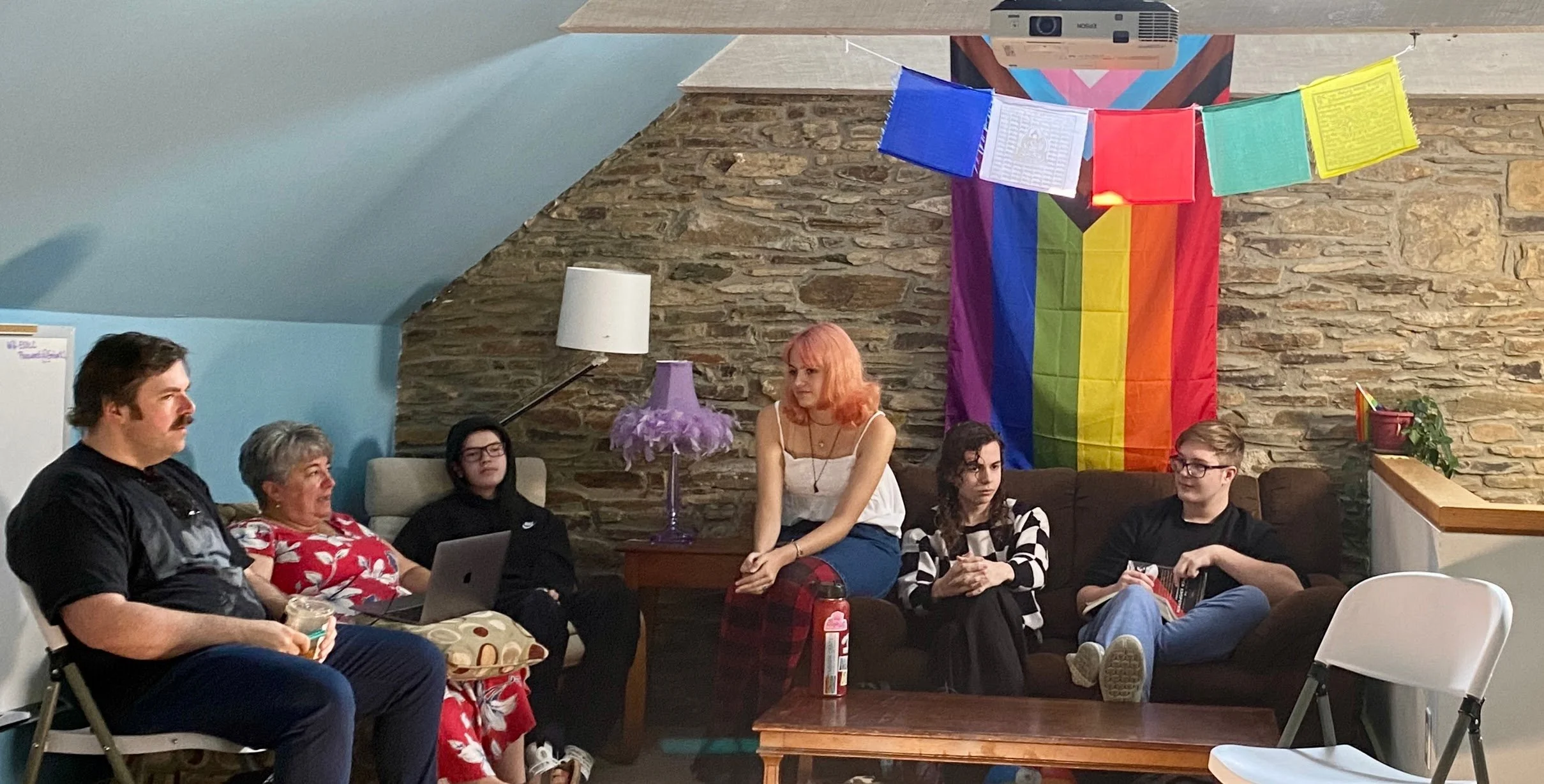
Introduction: Beyond the "Anything Goes" Misconception
Many people hear "self-directed learning" and picture kids doing whatever they want without structure or guidance. This couldn't be further from the truth at Embark Center. Our approach recognizes that learning happens naturally when kids live their authentic lives, with adults providing support through consent-based education and restorative practices that actually prepare students more thoroughly for future success than traditional models.
The reality is that self-directed learners develop crucial life skills that many conventionally educated students miss out on.
Why the Fear About Self-Directed Learning is Misplaced
We understand why parents worry. When education looks different from the mainstream, it's easy to assume that any outcome - positive or negative - must be due to the educational approach itself. This creates a double standard: when a child from a traditional school struggles, we rarely blame the school system. But when a child from a self-directed environment faces challenges, their educational path is often automatically seen as the cause.
Research specifically on parent perspectives of self-directed learning shows that concerns about educational outcomes are common, yet studies demonstrate that when parents understand the approach, they often become strong advocates. The truth is that young people face challenges regardless of their educational setting. What matters most is how they develop the skills to navigate those challenges. Self-directed learning doesn't eliminate life's difficulties - it equips students with the authentic tools to handle them effectively.
10 Ways Self-Directed Learners Prepare for the Future
Here are 10 concrete ways our students build the foundation they need for adulthood, college, and careers through their everyday experiences.
1. Developing Authentic Decision-Making Through Daily Choices
Philosophical Context: Consent-based education means students learn to make choices through genuine understanding rather than external pressure. They practice saying yes, no, or I need more information in real situations throughout their daily lives.
Practical Examples:
Students negotiate their own schedules and activities with mentors
They choose which workshops or resources to engage with based on genuine interest
They learn to advocate for their needs in various contexts without formal goal-setting
2. Building Self-Regulation Through Natural Life Experiences
Philosophical Context: Without rigid external schedules, students must learn to manage their own time and responsibilities. This builds intrinsic motivation and self-discipline that serves them well in college and careers through organic experiences.
Practical Examples:
Managing personal interests and passions over extended periods
Balancing multiple activities and responsibilities naturally
Developing time management skills through real-life commitments
3. Developing Deep Subject Matter Expertise Through Passion
Philosophical Context: When learning is driven by genuine interest, students develop deeper understanding and expertise than when learning is required by curriculum. This expertise emerges naturally from their authentic interests.
Practical Examples:
Students often become experts in specific areas they're passionate about
They pursue independent exploration without formal project structures
They develop genuine expertise that emerges from their authentic interests
4. Learning Through Natural Consequences of Everyday Life
Philosophical Context: Restorative practices help students understand how their choices affect others and themselves, building responsibility through natural consequences rather than external punishment.
Practical Examples:
Experiencing the results of their decisions in group settings
Learning interpersonal responsibility through natural social interactions
Developing accountability through everyday experiences
5. Developing Communication and Negotiation Skills Through Real Interactions
Philosophical Context: Consent-based education requires constant communication about boundaries, interests, and needs, building exceptional interpersonal skills through authentic daily interactions.
Practical Examples:
Students regularly negotiate boundaries and preferences with peers and mentors
They practice explaining their needs and perspectives in various contexts
They learn to collaborate respectfully through everyday social experiences
6. Building Real-World Problem-Solving Abilities Through Life Challenges
Philosophical Context: Self-directed learning means students encounter authentic problems and develop solutions, rather than just practicing predetermined exercises through their natural life experiences.
Practical Examples:
Addressing real-life challenges and conflicts as they arise
Troubleshooting personal and interpersonal situations independently
Developing solutions to authentic problems they encounter
7. Developing Metacognitive Awareness Through Reflection
Philosophical Context: Students learn not just content, but how they learn best, building self-understanding that serves them for a lifetime through our meta-reflection practices.
Practical Examples:
Regular reflection on what works and what doesn't in their learning
Identifying personal learning styles and preferences organically
Developing strategies for overcoming learning challenges naturally
8. Building Entrepreneurial Mindsets Through Authentic Interests
Philosophical Context: When students drive their own learning, they develop the initiative and creativity that characterize successful entrepreneurs through their natural pursuits.
Practical Examples:
Pursuing small businesses or creative projects based on genuine interests
Sharing expertise or creations with the community organically
Developing solutions to problems they care about naturally
9. Developing Emotional Intelligence and Resilience Through Relationships
Philosophical Context: Restorative practices help students understand emotions and build healthy relationships, preparing them for the emotional complexities of adult life through authentic interactions.
Practical Examples:
Participating in restorative circles and conflict resolution naturally
Supporting peers through challenges in real-life situations
Developing empathy and understanding diverse perspectives organically
10. Creating Authentic Experiences and Portfolios
Philosophical Context: Self-directed learning produces real accomplishments that showcase genuine abilities rather than just compliance with requirements, based on authentic life experiences.
Practical Examples:
Building portfolios with real projects and achievements from their lives
Developing compelling personal narratives based on genuine experiences
Creating work samples that demonstrate specific skills from authentic work
Conclusion: Preparation Through Authentic Living
Self-directed learning isn't about letting kids do whatever they want—it's about giving them the space and support to live their authentic lives and learn from those experiences. The consent-based approach and restorative practices we use don't prepare students for a test; they prepare students for life through their natural development.
Our students don't just learn about responsibility—they practice it daily through their interactions. They don't just study communication—they negotiate, collaborate, and lead through their everyday experiences. They don't just learn about problem-solving—they encounter and solve real problems naturally as they live their lives.
Research on K-12 self-directed learning skills confirms that these approaches build the exact competencies employers and colleges value - problem-solving, time management, and intrinsic motivation. Studies on active learning demonstrate that when students take agency in their learning around age 6, they develop deeper understanding and better long-term outcomes.
When we worry about whether self-directed learners will be "prepared," we might be asking the wrong question. These students aren't just prepared—they're developing the authentic skills, confidence, and agency that will serve them throughout their lives, long beyond any test or diploma, through the natural process of living and learning.
About Embark Center
Embark Center is dedicated to providing self-directed learning opportunities that combine student agency with intentional support and community. We believe that when students live their authentic lives within a framework of consent-based practices and restorative approaches, they develop the skills they need to thrive in an ever-changing world.
