

Journeys in Self-Directed Education
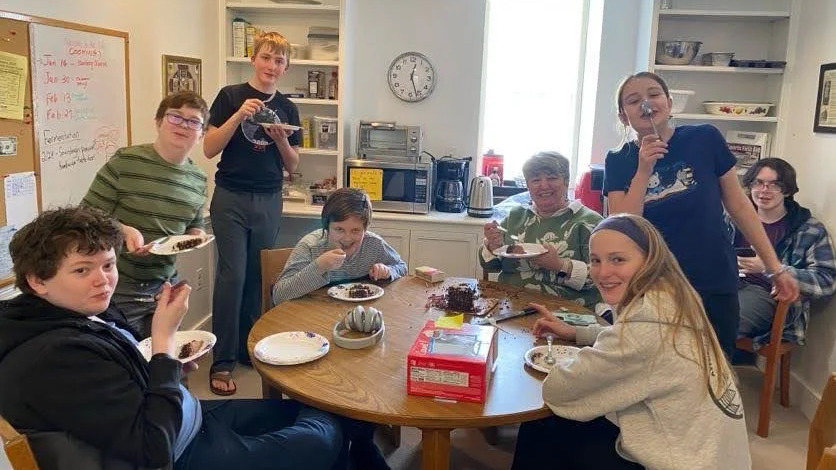
When Kids Don’t Want Summer Break: Why Young People Need Spaces Like Embark
At Embark Center, many young people do not experience learning spaces as something they need to escape. As summer approaches, some members begin grieving the temporary loss of a community where they feel trusted, connected, and free to learn without coercion.
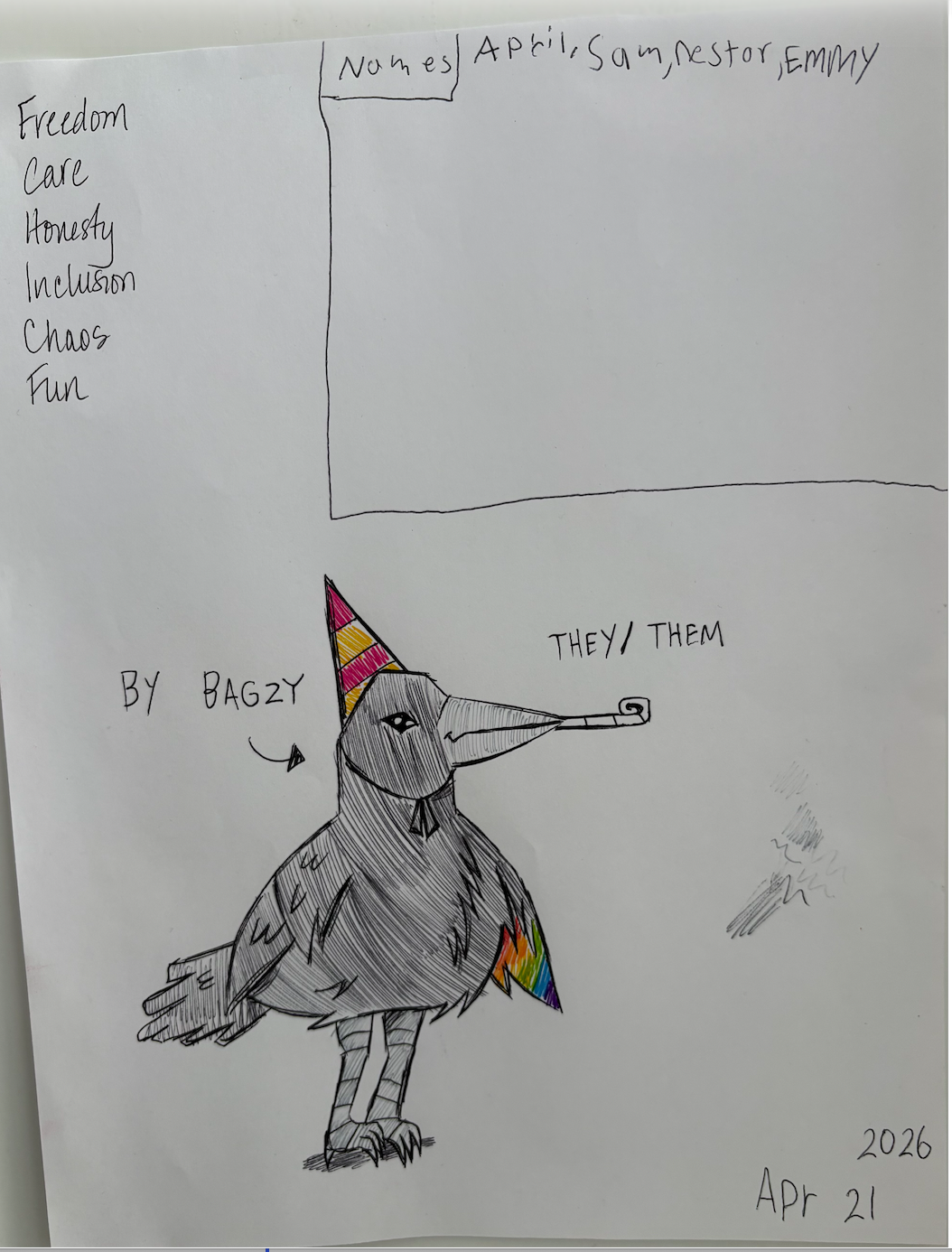
How an Offhand Comment About a Mascot Turned Into Something More
What started as an offhand comment—“we should have a mascot”—evolved into a rich exploration of identity, decision-making, and community. A glimpse into how meaningful learning unfolds at Embark Center.
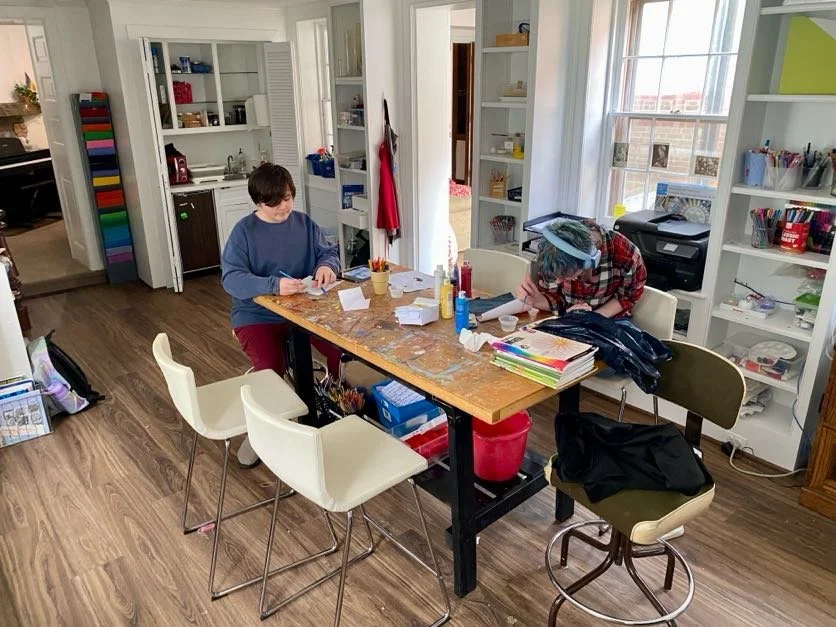
The Passion Myth: Why Following Random Interests Leads to Deeper Learning
Does your child seem to bounce between interests without settling on 'the one'? Many parents worry their kids aren't learning anything when they're not in structured activities. But what if those 'random' interests are actually building valuable skills for future success? This post explores how curiosity-driven learning develops adaptability, persistence, and the ability to learn anything, which is exactly the skills that matter most in our rapidly changing world.
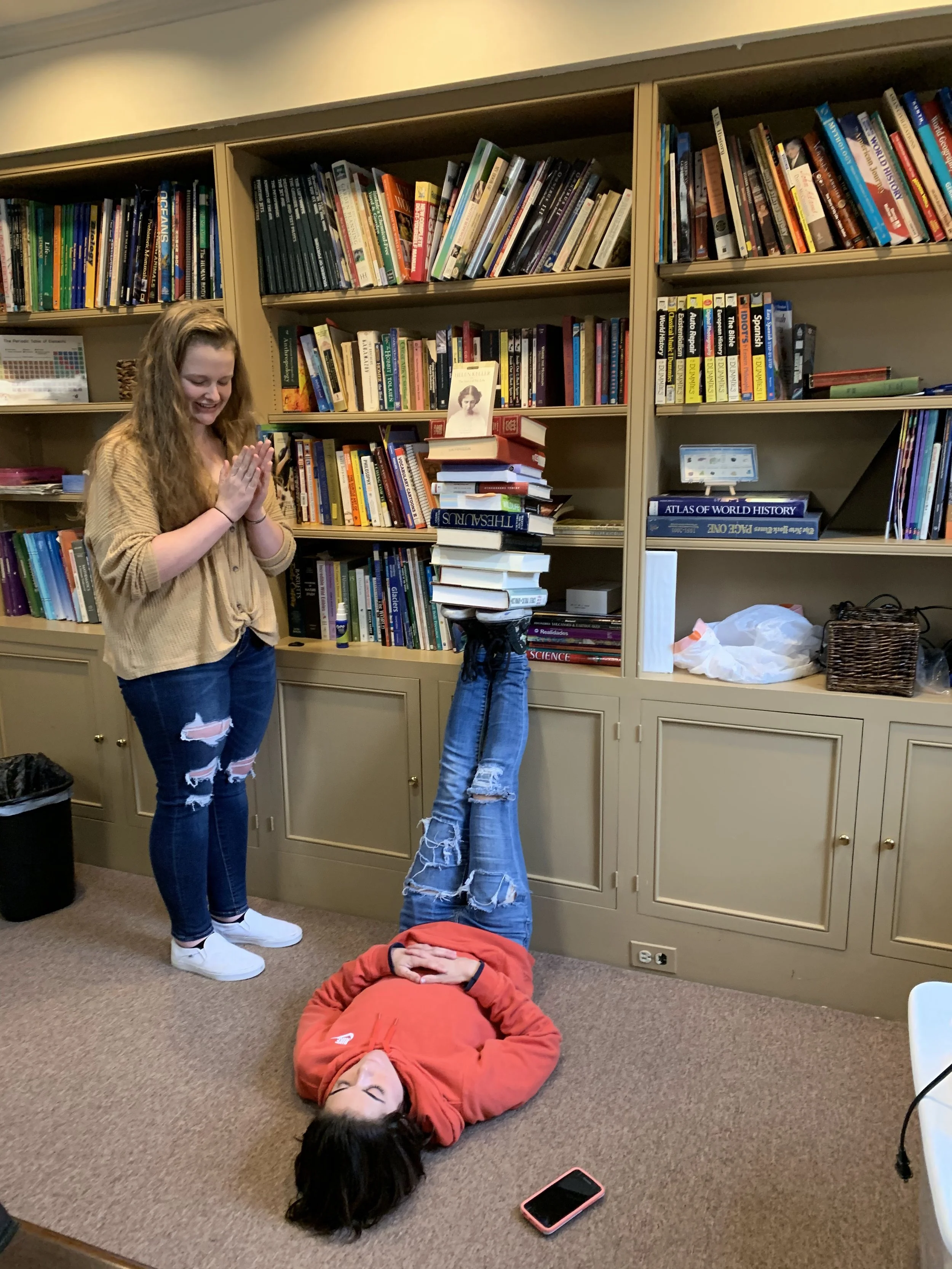
5 Myths vs. Realities of Self-Directed Education
Is self-directed education unstructured or risky? What about math and college readiness? This article breaks down five common myths about self-directed education and the realities behind them.
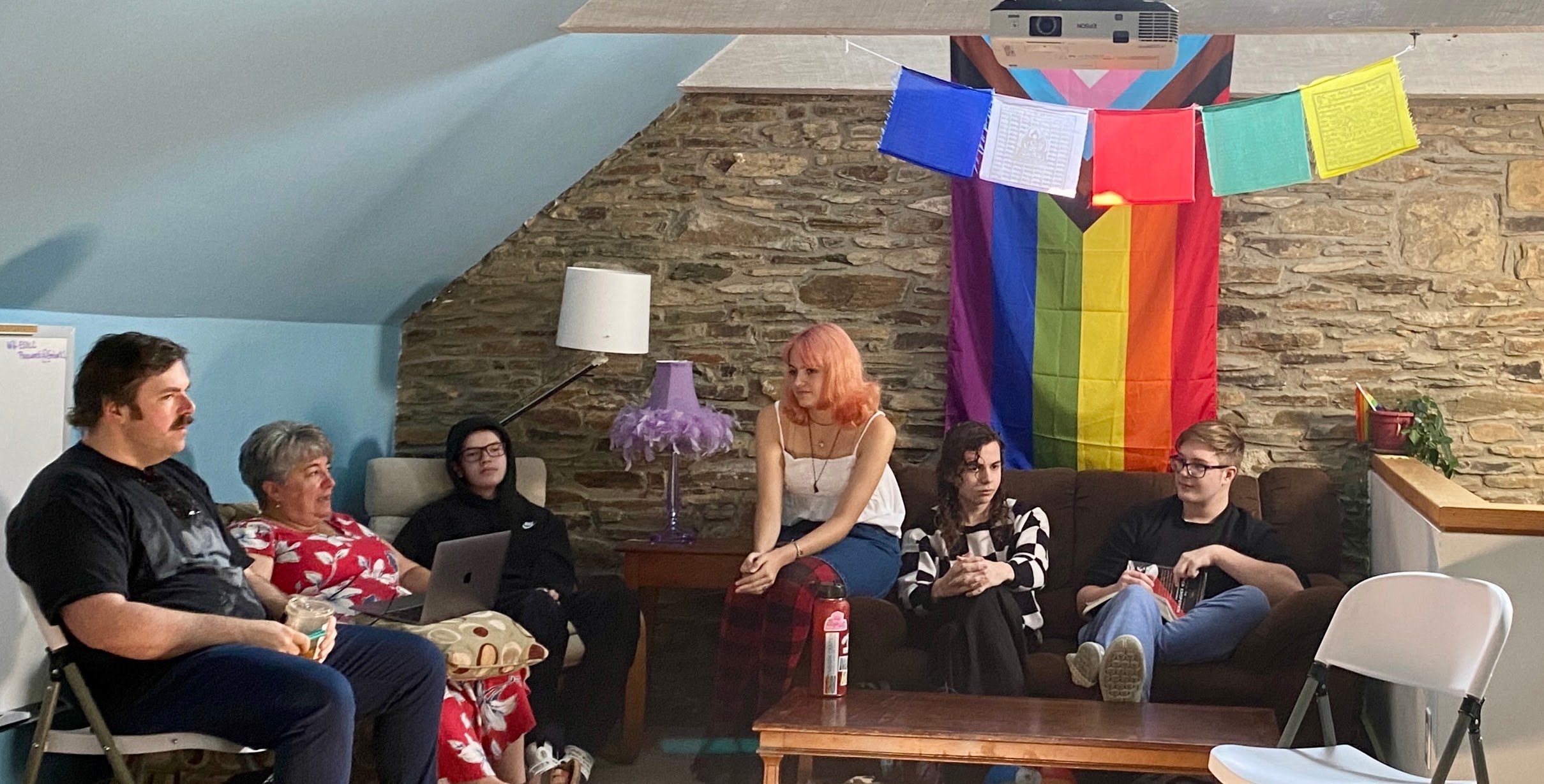
10 Ways Self-Directed Learners Prepare for College, Careers and Adulthood
Discover how self-directed learning at Embark Center prepares students for adulthood, college, and careers through consent-based education and restorative practices. Learn why natural, life-integrated learning builds authentic skills that last far beyond traditional education methods.
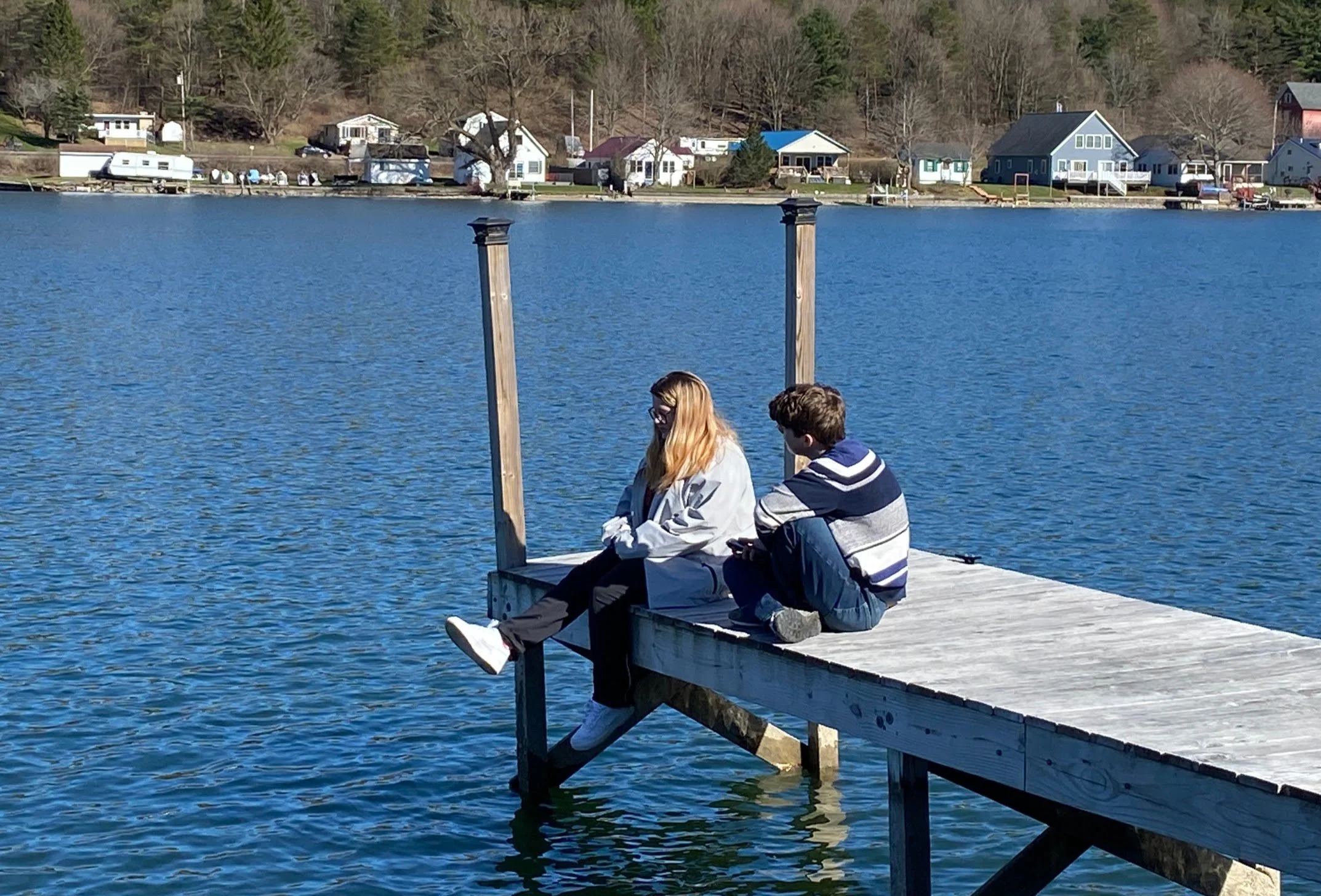
Childhood is Not a Rehearsal
When a child says they’re “doing nothing,” it can trigger anxiety. But what if childhood isn’t a rehearsal for adulthood? What if play, drifting, and quiet moments are part of real life — not a delay from it?
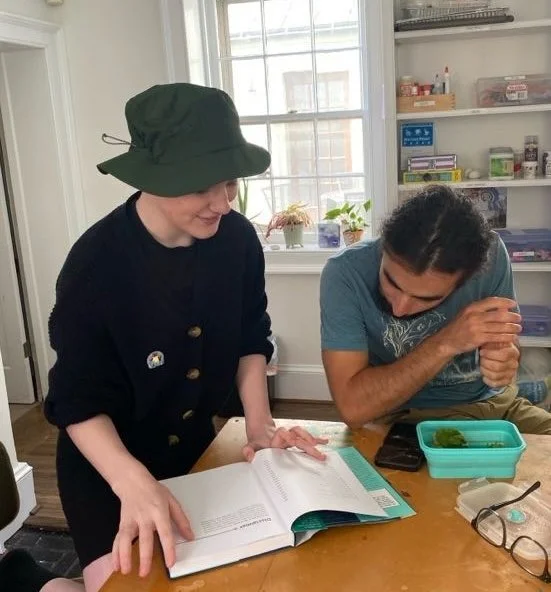
The Adults Young People Need: What True Mentoring Looks Like
A fresh look at how adults can support young people without controlling them—modeling curiosity, vulnerability, and genuine partnership so kids can build confidence, autonomy, and emotional resilience.
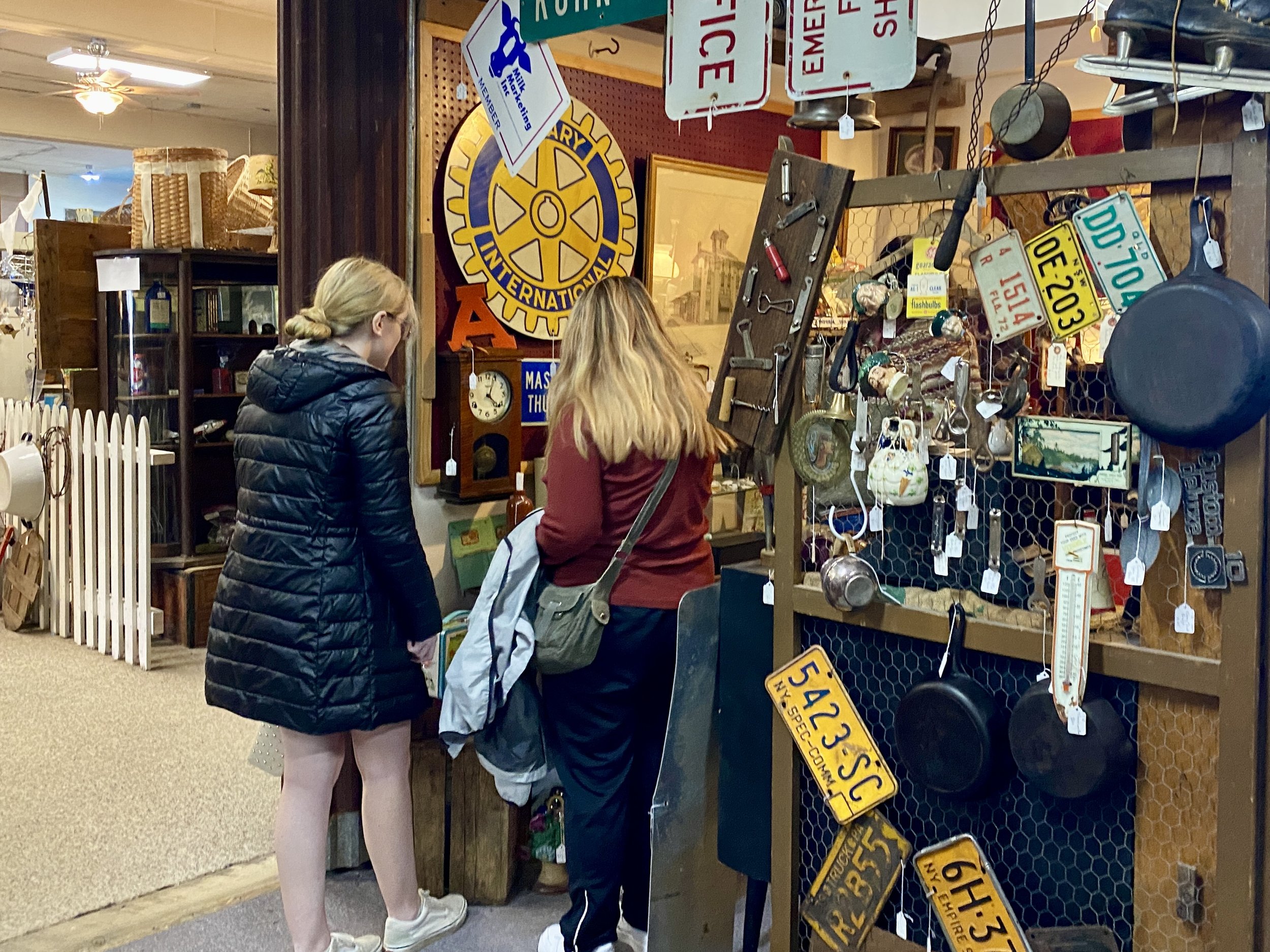
Rethinking Math: Why Kids Learn What They Need, When They Need It
A look at how kids naturally learn math through real-life experiences—like shopping, cooking, gaming, and exploring the world—without needing forced instruction.

Beyond Classes: What Students Really Learn at Embark Center for Self-Directed Education
At Embark Center, learning isn’t defined by classes—it’s defined by growth. While some students take classes and others never do, all are developing the same critical skills: self-direction, collaboration, confidence, and adaptability. Through real-world projects, community decision-making, and authentic responsibility, they learn how to manage their time, communicate effectively, solve problems, and trust themselves. At Embark Center, classes are simply tools in the toolbox—the real work is learning how to build a meaningful life.

When Freedom Meets Difference: Helping Kids Navigate “It’s Not Fair!” Moments
When families join Embark Center for Self-Directed Education, they expect freedom — but they may not expect the emotional work that comes with it. Here’s how encountering different family rules helps kids grow in empathy, resilience, and self-awareness.

Reimagining School Choice Beyond Politics
Families across the political spectrum are rethinking education. For some, it’s about giving their children the chance to thrive; for others, it’s about survival in environments that no longer feel safe or responsive. Yet the phrase school choice itself has become a political dog whistle—dividing the very people who could be working together. If we can move beyond partisanship, we can begin to build a broad coalition committed to freedom, accountability, and equity for every child.

What If My Child Plays Video Games All Day?
Parents often worry: “What if my child just plays video games all day?” At Embark Center, we hear this all the time. This post explores why video games aren’t the enemy, what kids are really gaining, and how to reframe the “worst-case scenario” into something far less scary. Most of all, it’s about trust—trusting your child’s curiosity, their growth, and their unique path.