

Journeys in Self-Directed Education
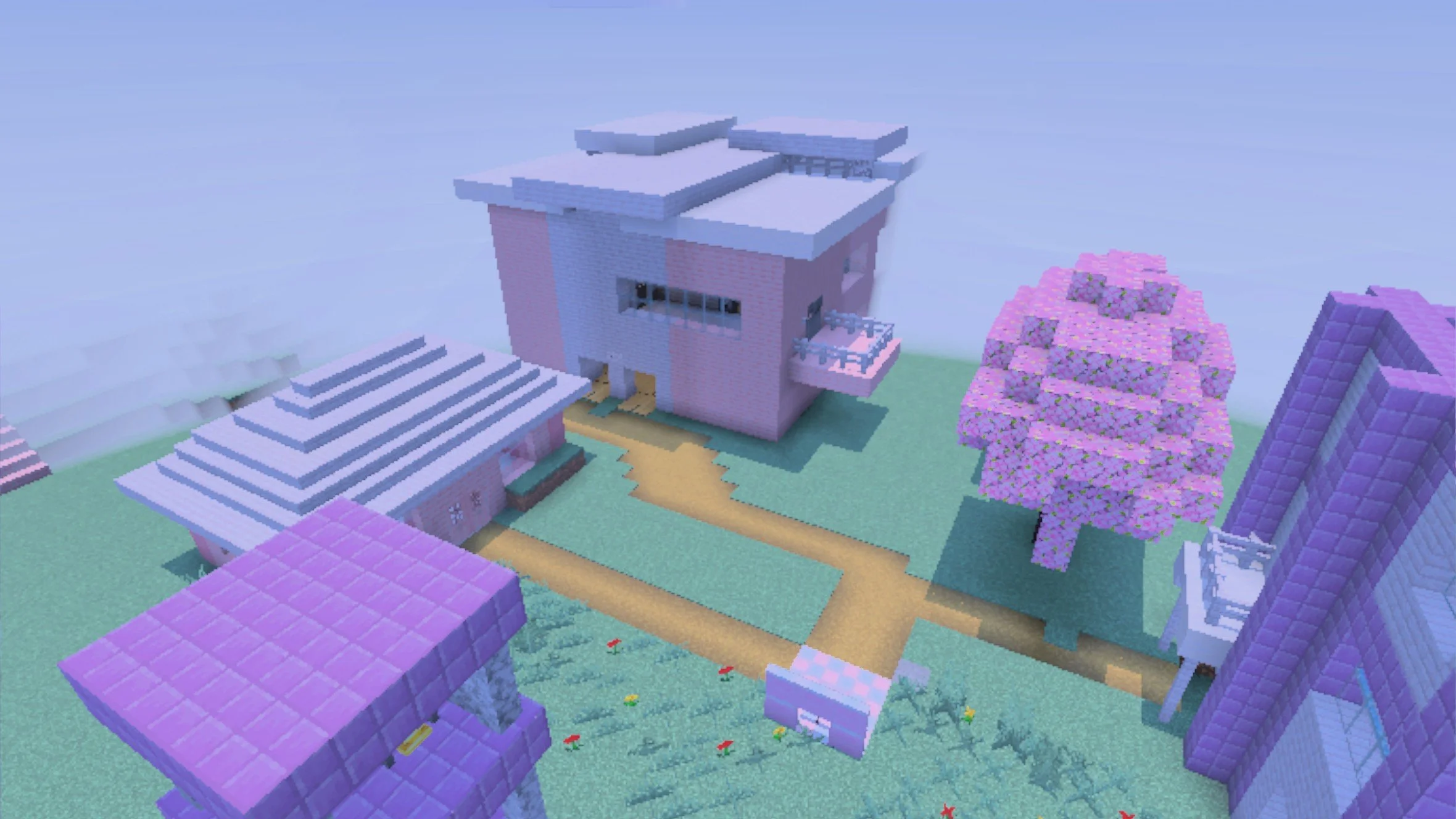
What Adults Miss About “Minecraft Drama”
A Minecraft conflict between students became a powerful reminder that children’s online worlds carry real emotional weight—and that adults sometimes need students to expand our perspective.
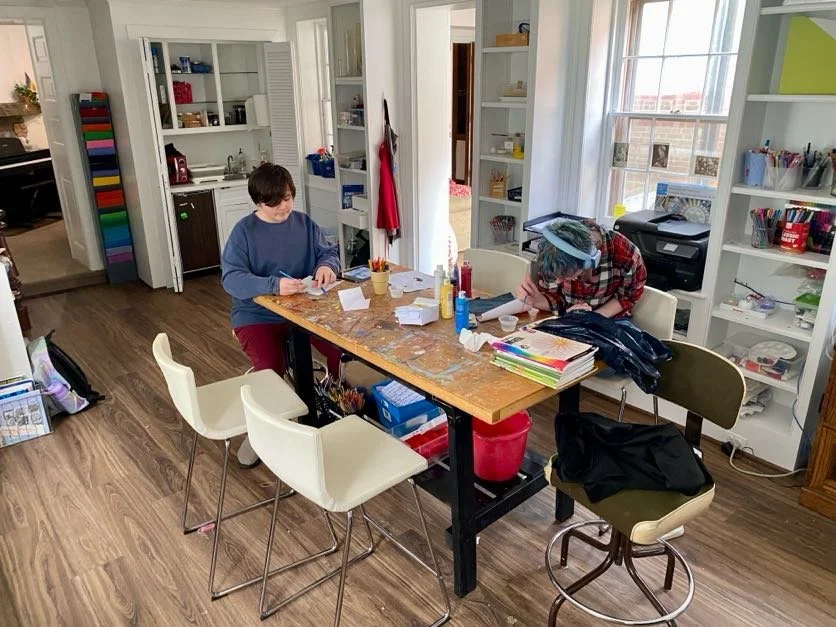
The Passion Myth: Why Following Random Interests Leads to Deeper Learning
Does your child seem to bounce between interests without settling on 'the one'? Many parents worry their kids aren't learning anything when they're not in structured activities. But what if those 'random' interests are actually building valuable skills for future success? This post explores how curiosity-driven learning develops adaptability, persistence, and the ability to learn anything, which is exactly the skills that matter most in our rapidly changing world.
We Can’t Teach Consent While Training Obedience
We’re teaching young people about consent while structuring their lives around obedience. If “no” doesn’t feel like a real option in ordinary situations, how will it feel real in high-stakes ones?
Who Decides What Counts?
Most parents want their children to grow into competent, capable adults. But what happens when the systems defining success don’t reflect the lives we actually want for them? Sometimes, the cost of keeping the model running becomes visible through our children.
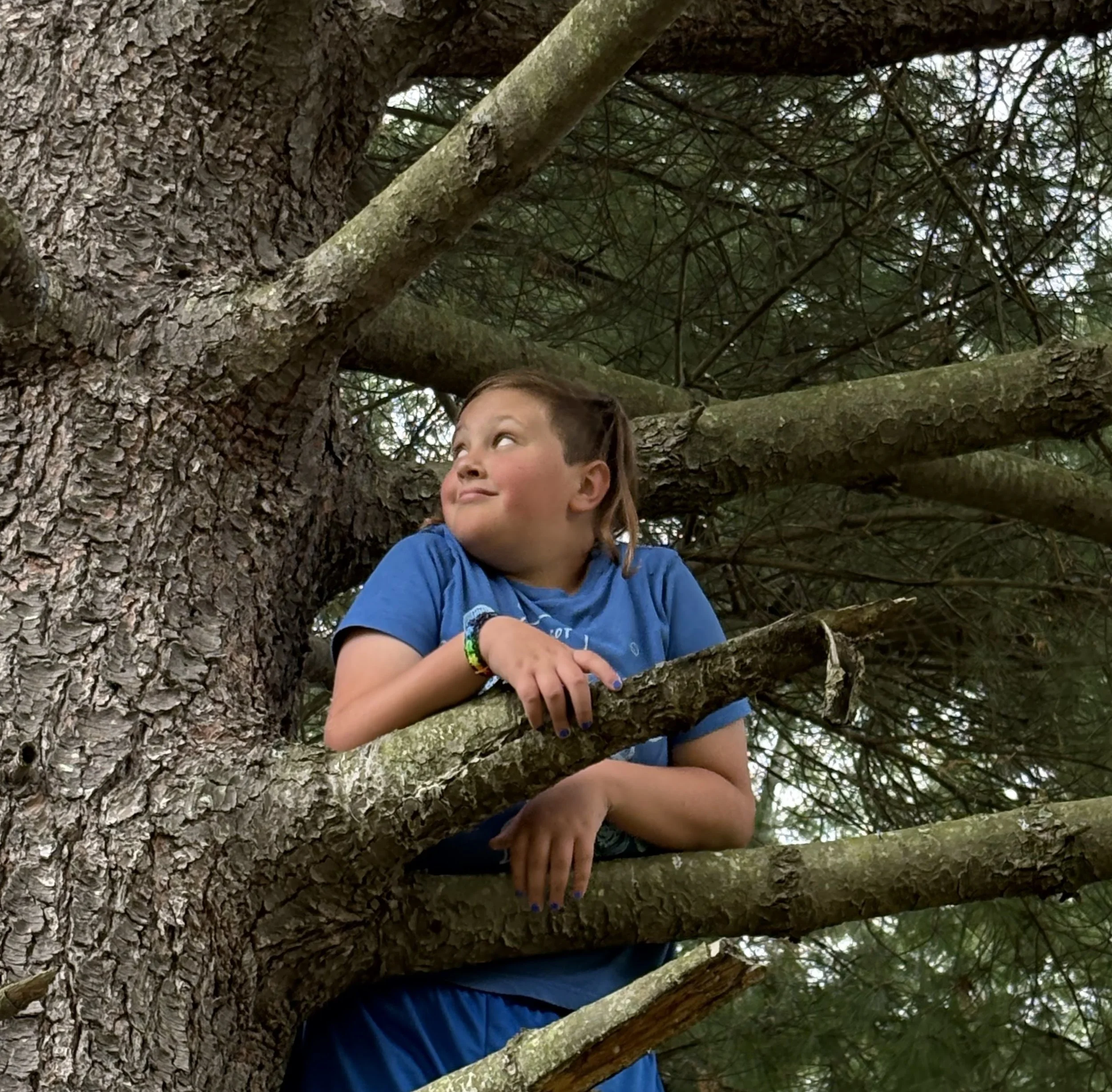
Why Self-Directed Education Is So Valuable for Neurodivergent Kids (Including Those With a PDA Profile)
Self-Directed Education provides the autonomy, flexibility, and consent-based relationships neurodivergent kids—especially those with a PDA profile—need to feel safe enough to learn. What these kids require for survival is what all humans need for well-being. When we reduce pressure and increase partnership, curiosity and resilience emerge naturally.
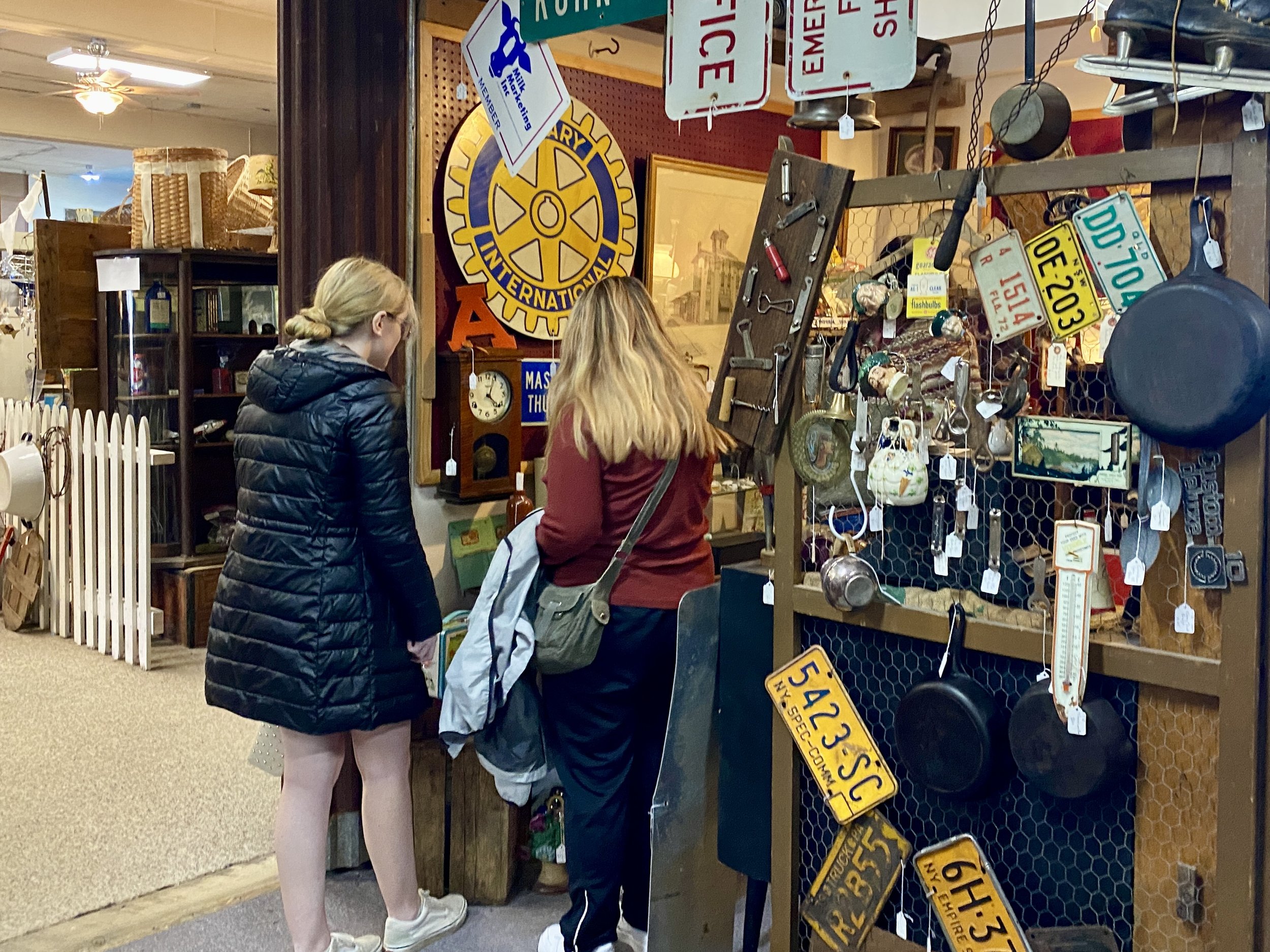
Rethinking Math: Why Kids Learn What They Need, When They Need It
A look at how kids naturally learn math through real-life experiences—like shopping, cooking, gaming, and exploring the world—without needing forced instruction.