
What Adults Miss About “Minecraft Drama”
Key Idea:
Adults often dismiss conflicts in online games as “just drama,” but for children, spaces like Minecraft can represent real emotional, social, and creative worlds. A conflict in the Embark Minecraft Realm became a reminder that children’s experiences deserve emotional dignity—and that adults sometimes need students’ perspectives to fully understand what matters to them.
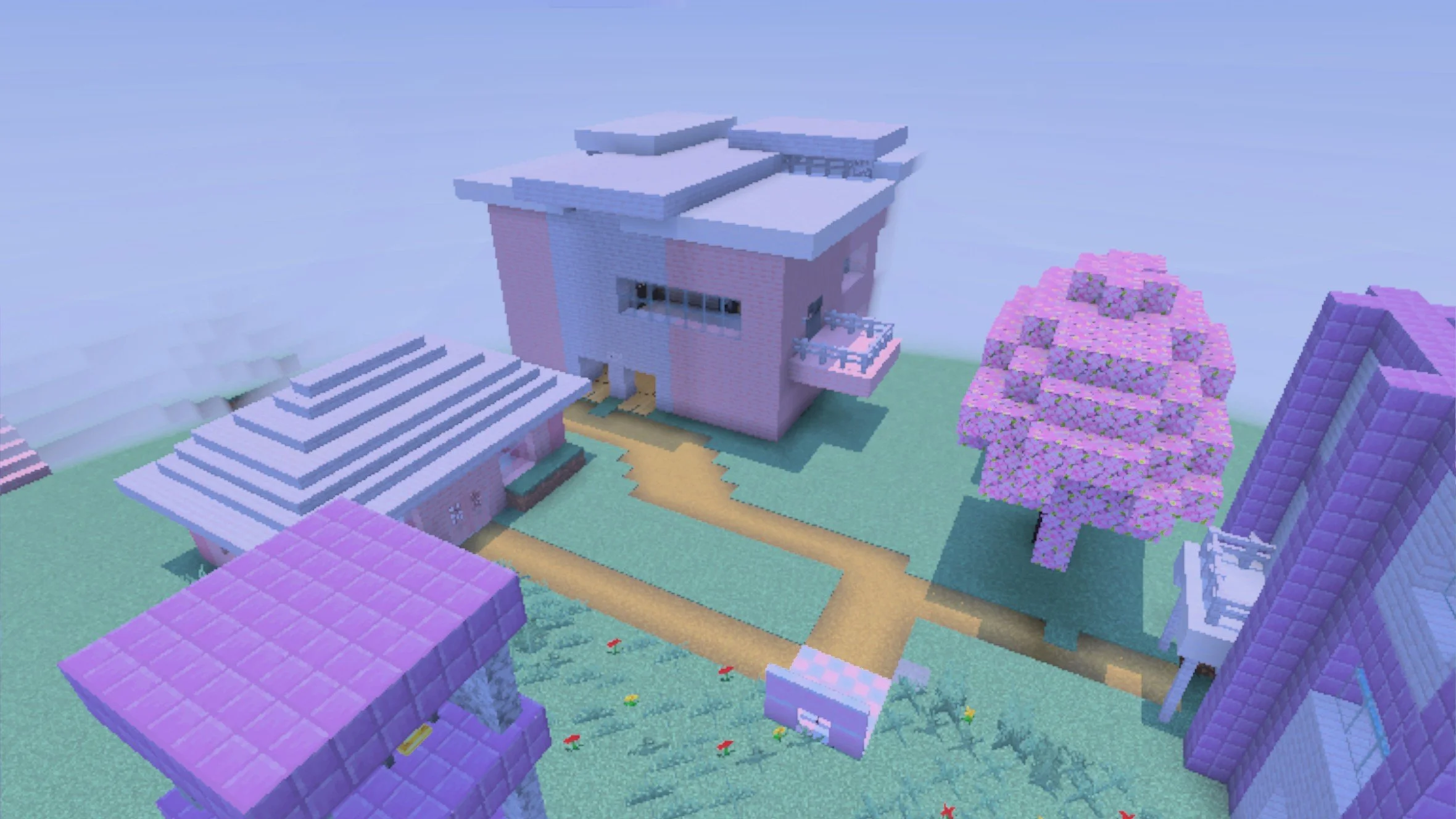
What Happened in the Minecraft Realm
One afternoon in the Embark Minecraft Realm, a conflict broke out between students.
Several students asked me to help mediate. An older student also offered to come along as a kind of translator because he knew that, if the conversation got deep into Minecraft-specific context and norms, I would quickly be out of my depth. He understood the social dynamics of the server intimately and could help bridge the gap between the students’ experiences and my adult perspective. Importantly, adults are not default mediators at Embark—the students happened to ask me in this case, and the older student stepped in because the situation called for his particular expertise.
At first, I was frustrated.
Not with the students themselves, but with what I privately categorized as Minecraft drama. Part of me felt impatient. From an adult perspective, the situation seemed small. Temporary. Digital. Easy to move past.
What I Missed
But during a debrief afterward, the older student gently challenged my perspective.
He explained that his own world had expanded over the past few years. He’s looking for a job now. He takes college classes. He’s working on getting his driver’s license. His life includes increasing layers of responsibility, independence, and identity beyond online spaces.
Younger students, he pointed out, are living in a different developmental world.
For them, a Minecraft build may represent dozens of hours of collaborative effort. It might hold memories with friends. It may be one of the first places where they experience ownership, creativity, competence, or belonging.
And when someone intentionally destroys that work, it can feel genuinely devastating.
Not pretend devastating.
Not “dramatic.”
Real.
That conversation stopped me in my tracks.
Children's Emotional Worlds are Real Worlds
As adults, it’s easy to unconsciously measure children’s emotions against the scale of our own lives. We compare their conflicts to mortgages, jobs, relationships, finances, deadlines, and grief. Against those things, a destroyed Minecraft village can seem insignificant.
But children are not practicing for life.
They are already living one.
Their emotional worlds are real worlds.
The betrayal of trust in a game server may carry many of the same emotional dynamics adults experience elsewhere: exclusion, humiliation, power, revenge, carelessness, repair, loyalty, and belonging. The medium is different. The feelings are not.
We’ve seen similar dynamics emerge in other parts of student culture too, including in the unexpected emotional significance students placed on the creation of the Embark mascot.
The older student understood something I had initially missed: younger students were experiencing this conflict inside a social and emotional world that mattered deeply to them. I was grateful he felt confident enough to gently point out the gap in my perspective because it helped me approach the situation with far more empathy and humility.
One of the things I value most about Embark is that responsibility and expertise are not automatically assigned by age. In this situation, the older student was able to bridge worlds I could not fully navigate on my own. His understanding of both the Minecraft context and the emotional realities of the younger students made the conversation more thoughtful, more grounded, and ultimately more caring.
That matters.
Because taking children seriously does not mean treating every conflict as catastrophic. It means recognizing that children deserve emotional dignity. Their experiences should not be dismissed simply because they occur in spaces adults do not fully understand or personally value.
Minecraft was not “just a game” in that moment.
It was a social world.
A creative world.
A relational world.
And like every meaningful human world, it required empathy, accountability, repair, and care.
Learning Alongside Students
I left that conversation reminded that one of the most important forms of adult humility is resisting the urge to decide which emotions are worthy of respect.
Sometimes the lesson is not how to help children grow.
Sometimes the lesson is allowing them to expand our own understanding too.
